You Gotta See How Guadalajara Turns Streets Into Living Art
Walking through Guadalajara feels like stepping into a vibrant conversation between history and modern life. The city’s urban spaces aren’t just paved areas—they’re alive with color, rhythm, and purpose. From graffiti-covered alleys to sleek plazas buzzing with coffee and music, every corner tells a story. I was stunned by how seamlessly tradition blends with innovation, making the city feel both rooted and restless. This isn’t just a destination—it’s an experience shaped by its streets, people, and pulse. What sets Guadalajara apart is not only its rich cultural heritage but also the way it reimagines public space as a canvas for connection, expression, and everyday joy. In a world where cities often feel impersonal or overdeveloped, Guadalajara offers a refreshing model: one where urban life pulses with authenticity, creativity, and community.
First Impressions: The Pulse of a Beating City
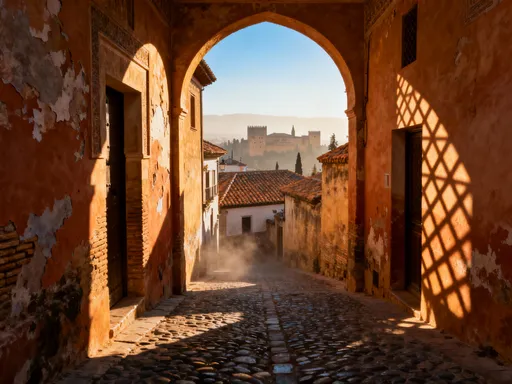
Arriving in Guadalajara, the first thing that strikes visitors is the rhythm—a steady, welcoming hum of movement and sound. Unlike the frenetic pace of Mexico City or the tourist-heavy calm of San Miguel de Allende, Guadalajara moves with a confident stride. The air carries the scent of roasting corn, fresh tortillas, and blooming jacaranda, especially in spring when the city turns purple with blossoms. Buses rumble down wide avenues, bicycles weave through side streets, and families stroll under shaded sidewalks, many lined with arches and wrought-iron details that speak to the city’s colonial elegance.
What defines Guadalajara’s urban character is its balance—between order and spontaneity, tradition and progress. The city doesn’t feel like a museum frozen in time, nor is it a sprawling metropolis that overwhelms. Instead, it breathes. Its streets are not just thoroughfares but gathering places, stages for daily life. This sense of vitality becomes clear the moment you step off the bus or leave your hotel. People sit on low walls sharing tamales, children chase bubbles blown by street performers, and elders play chess under trees. These small moments add up to a larger truth: in Guadalajara, public space is not passive. It is active, inclusive, and deeply human.
This philosophy shapes the city’s identity. Urban space here is more than infrastructure—it is culture in motion. Plazas host dance classes at dusk, alleys become galleries overnight, and markets double as social centers. The city planners, artists, and residents have collectively decided that streets should do more than move traffic—they should inspire, connect, and reflect the soul of the community. This intentional design fosters a rare kind of belonging, one that invites both locals and visitors to participate, not just observe.
Historic Heart, Modern Soul: Walking Through Centro
The heart of Guadalajara beats strongest in its historic center, where centuries-old architecture meets contemporary energy. Plaza de Armas, framed by the neoclassical Palacio de Gobierno and the grand Catedral de Guadalajara, is a masterclass in urban harmony. During the day, office workers sip coffee on benches; by evening, couples dance to live mariachi music. The space feels formal yet lived-in, a rare combination that speaks to thoughtful urban design. Nearby, Plaza Tapatía offers a more modern contrast—a sprawling pedestrian zone with fountains, shaded walkways, and open-air cafes. Once a neglected area, it has been transformed into a vibrant downtown hub where people gather to relax, work, or simply watch the world go by.
One of the most striking examples of this fusion is the Instituto Cultural Cabañas. A UNESCO World Heritage site, the former hospital and orphanage features stunning colonial architecture and vaulted ceilings. But what truly brings it to life is the integration of modern art, especially the iconic murals by José Clemente Orozco. His powerful frescoes, depicting human struggle and spiritual awakening, cover the cupola of the main hall and draw thousands each year. The space functions not only as a museum but as a cultural incubator, hosting exhibitions, concerts, and community workshops. It exemplifies how historic buildings can be preserved without becoming relics—instead, they become stages for ongoing dialogue between past and present.
These public spaces are not designed for spectacle alone. They serve real, everyday functions. Parents meet for morning walks, students study under shaded arcades, and tourists pause to absorb the atmosphere. The city’s planners have understood that beauty must be usable. Wide sidewalks, ample seating, and shaded areas encourage lingering, turning what could be mere transit zones into destinations in themselves. In Guadalajara, the street is not a barrier between places—it is the place itself.
Street Art as Urban Language
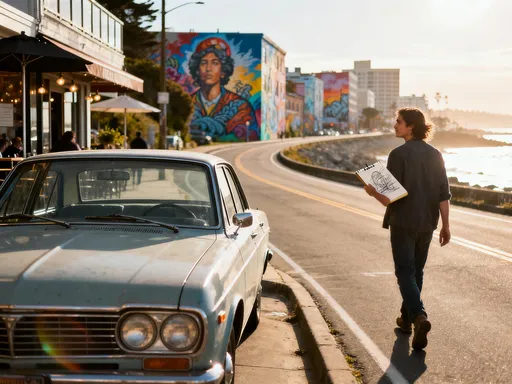
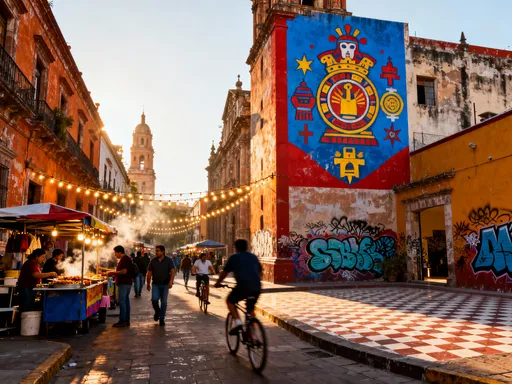
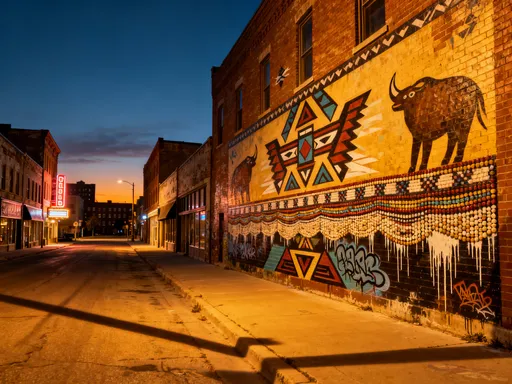
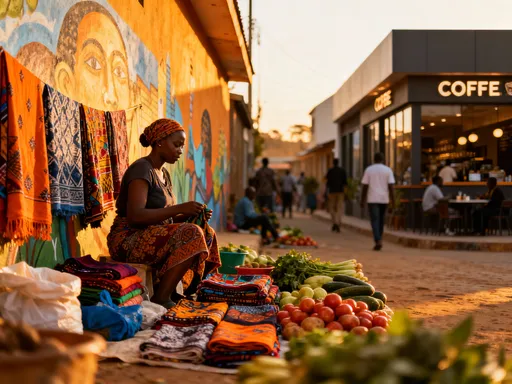
Wander beyond the central plazas, and you’ll find that Guadalajara’s walls speak. Street art is not vandalism here—it is a recognized form of expression, a visual language that reflects the city’s soul. Neighborhoods like Colonia Americana and San Pedro have become open-air galleries, where murals stretch across entire building facades. These are not random tags but carefully composed works, often created by local and international artists during organized festivals. The themes vary—some celebrate indigenous heritage, others tackle social justice, environmental issues, or the resilience of everyday life.
One mural in Colonia Americana stands out: a massive portrait of a young girl wearing traditional Huichol beadwork, her eyes filled with galaxies. Nearby, a painted dove carries an olive branch made of circuit boards, blending nature and technology. These images do more than decorate—they provoke thought, spark conversation, and assert identity. In a country with a long history of social movements, street art becomes a peaceful yet powerful form of resistance and pride. It gives voice to communities often underrepresented in mainstream media and politics.
I spoke with a local artist named Martín, who has been painting for over a decade. He told me, “We don’t paint to be famous. We paint so people feel seen.” His latest project transformed a dull concrete wall into a vibrant scene of a family preparing mole, surrounded by marigolds and music notes. Passersby often stop to take photos or point out details to their children. This kind of art doesn’t just exist—it connects. It turns anonymous spaces into shared memories. The city has embraced this by legalizing certain zones for murals and even commissioning artists for public projects, proving that creativity can coexist with civic order.
Markets That Move: More Than Just Commerce
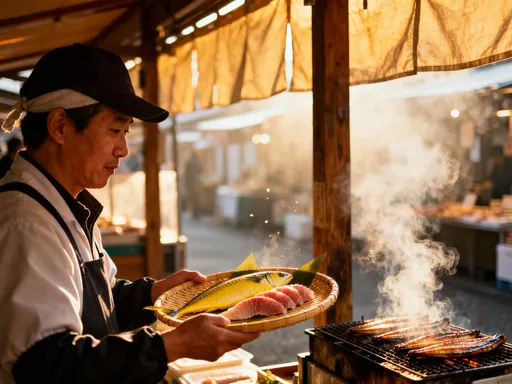
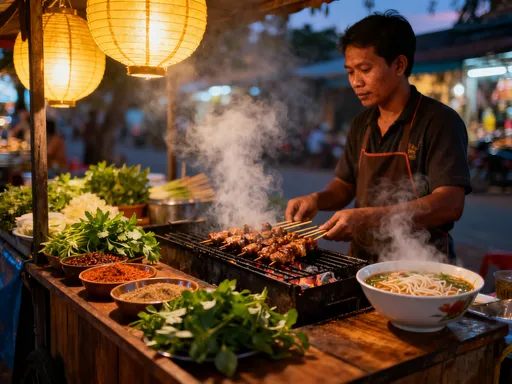
No exploration of Guadalajara’s urban life is complete without visiting its markets. Mercado Libertad, also known as Mercado San Juan de Dios, is one of Latin America’s largest indoor markets, spanning over 30,000 square meters. Stepping inside is an assault on the senses—in the best way. The air is thick with the smell of spices, grilled meat, and ripe fruit. Vendors call out prices in rhythmic chants, while shoppers weave through narrow aisles packed with everything from handmade pottery to cowboy boots. This is not a sanitized shopping mall; it is a living, breathing ecosystem of trade and tradition.
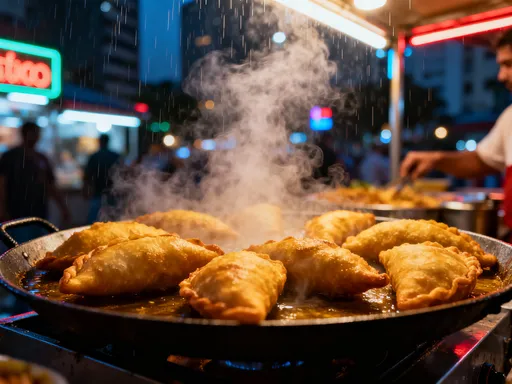
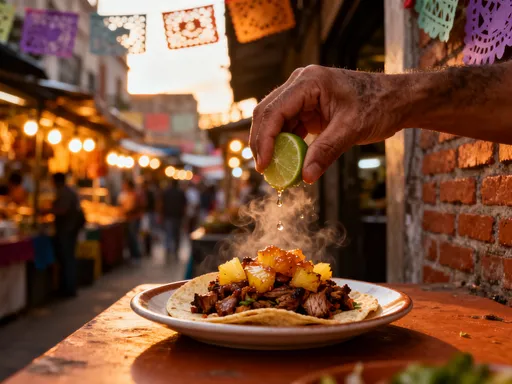
What makes these markets special is their dual role. Yes, they are places to buy goods, but they are also community anchors. Families come here not just to shop but to eat, socialize, and celebrate. Food stalls serve regional specialties like tortas ahogadas, birria, and fresh aguas frescas. Elderly couples share a plate of tacos while recounting old stories; young friends laugh over churros dipped in chocolate. The market becomes a stage for intergenerational connection, where culture is passed down through recipes, crafts, and conversation.
The spatial design, though crowded, follows a natural flow. Sections are organized by product—meat, produce, textiles, electronics—but the boundaries are fluid, encouraging exploration. Shoppers often arrive with no list, simply following their curiosity. This organic movement mirrors the city’s broader approach to urban life: structured enough to function, flexible enough to allow spontaneity. In recent years, the city has invested in improving lighting, sanitation, and accessibility, ensuring that these markets remain safe and welcoming for all. They are not relics of the past but evolving spaces that adapt to modern needs while preserving their soul.
Green Oases in the Concrete Flow
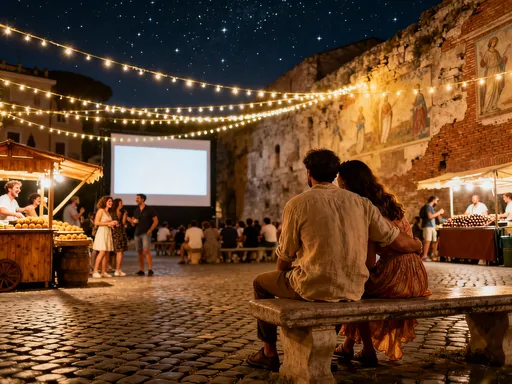
Even in its densest areas, Guadalajara makes room for nature. Parks are not afterthoughts—they are essential components of the city’s urban fabric. Parque Agua Azul, located in the trendy Colonia Americana, is a favorite among locals. With its sparkling fountain, shaded benches, and weekly artisan market, it offers a peaceful retreat from the surrounding traffic. On any given afternoon, you’ll find parents pushing strollers, couples reading under trees, and teenagers practicing skateboard tricks. The park hosts free yoga classes on weekends and occasional outdoor film screenings, reinforcing its role as a community space.
Equally important is Bosque Colomos, a sprawling forested park on the city’s western edge. Once a eucalyptus plantation, it has been transformed into a green sanctuary with walking trails, picnic areas, and a butterfly garden. Joggers and cyclists frequent its wide paths, while families spread blankets for weekend lunches. The park also houses the Museo del Barro, a clay art museum that blends seamlessly with the natural surroundings. What’s remarkable is how the city has preserved this large green space despite rapid urban growth. It reflects a long-term commitment to environmental balance and quality of life.
These green spaces are not just aesthetic choices—they are public health investments. Studies show that access to parks reduces stress, encourages physical activity, and strengthens social ties. Guadalajara’s planners understand this, which is why new developments often include green zones and tree-lined streets. Even in busy commercial districts, small pocket parks and tree-shaded plazas provide moments of calm. This integration of nature into the urban landscape makes the city more livable and resilient, especially as climate challenges grow. For residents and visitors alike, these oases offer more than beauty—they offer breath.
Transit and Tempo: How the City Keeps Moving
Getting around Guadalajara is part of the experience. The city’s public transit system, including the Macrobus rapid transit and the light rail (Sistema de Tren Eléctrico Urbano), connects key neighborhoods with efficiency and affordability. The light rail, in particular, is a point of pride—launched in 1989, it was one of the first modern urban rail systems in Mexico. Today, it carries hundreds of thousands of passengers daily, linking the historic center with suburbs and universities. Stations are clean, well-lit, and often adorned with public art, turning functional spaces into cultural waypoints.
While the system works well for major routes, coverage is not uniform. Some outer neighborhoods remain underserved, forcing residents to rely on informal minivans or long walks. Traffic congestion is also a challenge, especially during rush hours. Yet, the city is responding with innovation. Bike-sharing programs have expanded, and new protected bike lanes are being added to major avenues. In recent years, car-free Sundays have become popular, with families taking over closed streets for cycling, dancing, and street food.
Walkability varies across districts. The historic center and revitalized neighborhoods like Providencia are highly pedestrian-friendly, with wide sidewalks, crosswalks, and shade. But in older industrial zones or sprawling suburbs, walking can feel unsafe or impractical. Still, the trend is moving in the right direction. Urban planners are adopting a “complete streets” approach, designing roads for all users—not just cars. This shift reflects a deeper understanding: a city’s tempo should not be dictated by speed alone, but by accessibility, safety, and human comfort. When people can move freely and safely, the city truly comes alive.
The Human Touch: Why People Define the Space
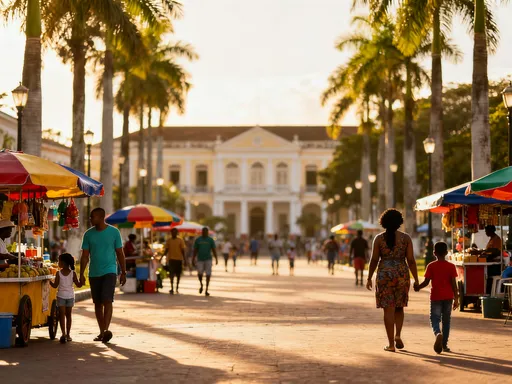
Ultimately, Guadalajara’s magic lies not in its buildings or systems, but in its people. Street performers strum guitars on plazas, their music drifting through the air like shared gifts. Vendors sell elotes and nieves from colorful carts, their calls becoming part of the city’s soundtrack. Cyclists wave as they pass, and neighbors greet each other by name in the parks. These small, everyday interactions create a sense of ownership and belonging. Public space is not just used—it is claimed, cared for, and celebrated.
Informal gatherings are everywhere. On weekends, neighborhood fiestas fill side streets with music, dancing, and food. Pop-up markets appear in vacant lots, turning unused spaces into temporary hubs of joy. Even simple moments—like a group of friends playing dominoes under a tree or children chasing pigeons in a plaza—add to the city’s rhythm. These are not scheduled events but organic expressions of community life. They show that urban space thrives when it is flexible, inclusive, and open to improvisation.
What’s powerful is how these actions are not limited to special occasions. They are woven into daily life. A grandmother feeds stray cats near a fountain. A teenager sketches a mural on a legal wall. A shopkeeper waters plants on his doorstep. These gestures, though small, collectively shape the city’s character. They reflect a culture that values connection, creativity, and care. In Guadalajara, the street is not just a place to pass through—it is a shared home.
Conclusion: A City That Lives Out Loud
Guadalajara teaches a profound lesson: that urban space is not just about design, but about life. Its streets, plazas, markets, and parks are not static backdrops—they are dynamic stages where culture, community, and creativity unfold every day. What makes the city remarkable is not any single landmark, but the way all its elements come together to create a living, breathing whole. It shows that a city can honor its past while embracing the future, that infrastructure can serve both function and feeling, and that beauty can be both seen and felt.
For travelers, this means slowing down. Guadalajara rewards those who walk instead of drive, who linger instead of rush, who talk to strangers instead of scrolling on phones. It invites deep engagement—through taste, sound, touch, and conversation. The city reveals itself not in postcard views, but in the warmth of a shared meal, the rhythm of a street drum, the smile of a local artist proud of his work. These are the moments that stay with you.
More than a destination, Guadalajara is a model—a reminder that cities are made not just by planners and architects, but by people. When public spaces are designed with humanity in mind, they become more than places. They become experiences. They become home. So if you go, don’t just visit. Participate. Sit on a bench, try a new food, listen to the music. Let the city speak to you. Because in Guadalajara, the streets don’t just move people—they move hearts.