You Won’t Believe What We Found Driving Through Victoria’s Art Scene
Driving through Victoria, Canada, I stumbled upon something unexpected—not just postcard-perfect streets, but a living, breathing art culture around every corner. From bold murals to tucked-away galleries, the city pulses with creativity. What makes it even better? You can uncover it all on a relaxed self-drive journey. This is more than a road trip—it’s a cultural adventure on four wheels, and you gotta experience it for yourself.
The Road to Victoria: Why a Self-Drive Trip Makes All the Difference
Reaching Victoria by car transforms the journey into part of the experience. Whether you're crossing the Strait of Georgia by ferry from Vancouver and driving south through rolling green hills, or arriving from the U.S. border, the transition onto Vancouver Island feels like entering a quieter, more intentional world. The island’s rhythm is unhurried, its air fresher, and its streets lined with blooming rhododendrons even in early spring. This calm sets the stage for a different kind of travel—one centered on discovery, not destination.
Driving grants a freedom that public transit simply can't match. You’re not bound by schedules or limited to central districts. Instead, you can linger in a sunlit neighborhood a little longer, pull over at a roadside farmers' market on a whim, or detour to a coastal trail when the ocean calls. For art lovers, this flexibility is invaluable. Many of Victoria’s most authentic creative spaces aren’t clustered downtown but scattered across residential lanes, waterfront enclaves, and tucked-away courtyards. Without a car, reaching these places means long walks or complicated routes. With one, they’re effortlessly within reach.
Parking in Victoria is surprisingly manageable, especially outside peak summer months. Most neighborhoods offer street parking or small municipal lots, and many cultural sites have designated spots or nearby garages. Apps like ParkMobile make payment simple, and drivers quickly learn that a little planning goes a long way. The city also rewards slow exploration—there’s no need to rush. You can park near downtown, walk through the artistic heart of the city, then drive out to quieter zones in the afternoon when light is perfect for photography and galleries are less crowded.
What truly sets a self-drive art tour apart is the ability to follow your curiosity. One moment you might be admiring a mural in a narrow alley, the next you’re cruising along Dallas Road with the ocean glittering beside you, heading to a studio in a converted heritage home. The car becomes a companion in your creative journey, carrying not just your body but your inspiration from one moment to the next.
Street Art Trails: Where the City’s Soul Meets the Pavement
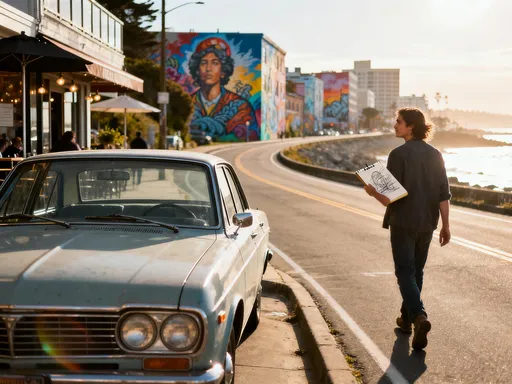
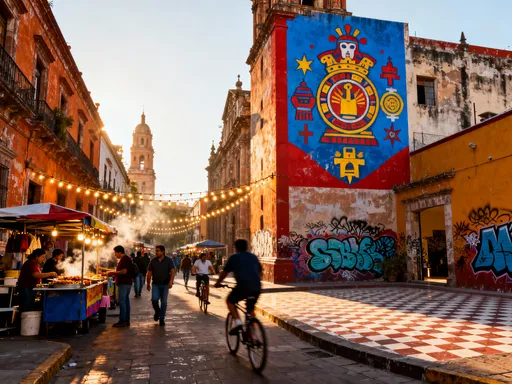
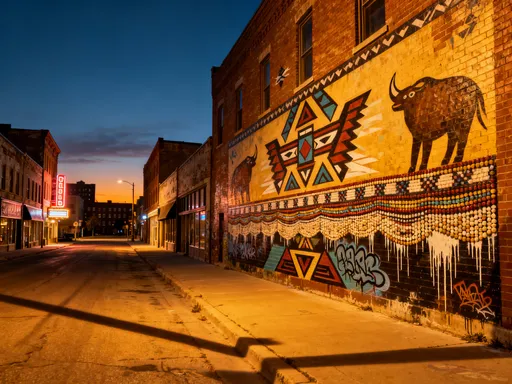
Victoria’s street art is not an afterthought—it’s a vibrant conversation between artists and the urban landscape. Walk through the downtown core, and you’ll find that even the most historic buildings play host to bursts of color and storytelling. Alleyways once overlooked now serve as open-air galleries, where large-scale murals capture everything from local wildlife to social themes and Indigenous symbolism. These works don’t just decorate; they invite pause, reflection, and connection.
Bastion Square, one of the city’s oldest public spaces, often acts as a gateway to this creative world. While the square itself hosts seasonal markets and live music, the surrounding lanes are where the visual magic unfolds. Artists have transformed blank walls into dynamic scenes—imagine a towering orca leaping across bricks, or a floral pattern inspired by Pacific Northwest flora weaving through a narrow passage. These murals are not static; they evolve with community input and seasonal projects, ensuring that repeat visitors always find something new.
Courtney Street and the blocks branching off Government Street are equally rich in artistic expression. Here, street art blends seamlessly with boutique facades and café exteriors. A coffee shop might feature a mural of harvest hands weaving through coffee vines, while a yoga studio’s wall displays a flowing human form entwined with forest roots. These pieces don’t shout; they whisper, adding depth to the city’s character without overwhelming it.
For drivers, navigating these zones is both practical and rewarding. Park in a nearby lot and spend an hour or two on foot, following informal street art maps available at visitor centers or online. Many local businesses welcome art walkers, offering rest spots, water, or even small discounts to those exploring the murals. Some galleries even host ‘alleyway talks’ during summer months, where artists discuss their process right beside their work. Driving allows you to time these visits perfectly—arriving early to avoid crowds or returning at golden hour when the light enhances every brushstroke.
Galleries Off the Beaten Path: Hidden Cultural Spots Only Drivers Can Reach
While downtown galleries offer polished exhibitions, some of Victoria’s most authentic artistic experiences lie beyond the tourist maps. These are the quiet studios, cooperative workspaces, and family-run galleries that thrive in residential neighborhoods. Without a car, reaching them requires long walks or uncertain transit routes. With one, they become accessible treasures waiting to be discovered.
The James Bay neighborhood, just southeast of downtown, is a prime example. This historic area, with its charming cottages and tree-lined streets, is home to several artist collectives. Studios tucked into converted garages or garden sheds open their doors on weekends, inviting visitors to view works in progress, meet the makers, and even take home a piece of original art. These spaces often focus on mediums like ceramics, textile art, or wood carving—crafts deeply rooted in the island’s natural resources and creative traditions.
Another gem lies near the Gorge Waterway, a peaceful inlet that cuts through the city. Along its banks, small workshops host potters, glassblowers, and metal artists. Some operate out of repurposed industrial buildings, while others work in bright, sunlit studios with views of the water. These artists value quiet and space—qualities that the waterfront provides in abundance. Visitors who drive here often describe the experience as meditative, with the gentle lap of waves and the scent of salt and cedar enhancing the creative atmosphere.
Having a car means you can plan a full-day exploration, visiting two or three of these studios without rushing. You might start with a morning coffee in James Bay, browse a small gallery, then drive to the Gorge for an afternoon workshop demo. Many of these spaces offer hands-on experiences—like trying your hand at wheel-throwing or watching a glass artist shape molten material into form. These moments of connection are rare in larger institutions but common in these intimate settings.
Importantly, these off-the-beaten-path spots often don’t advertise widely. They rely on word of mouth, seasonal open houses, and local art trails. A self-drive trip allows you to follow these trails at your own pace, stopping at hand-painted signs or community bulletin boards that hint at pop-up exhibitions or studio tours. The journey itself becomes part of the art—each turn revealing a new possibility.
The Heartbeat of Creativity: First Nations Art and Cultural Centers
At the core of Victoria’s artistic identity is the enduring presence of Coast Salish culture. For thousands of years, Indigenous communities have expressed their worldview through carving, weaving, painting, and storytelling. Today, their art is not confined to history books but thrives in contemporary forms, shaping the city’s cultural landscape in profound ways. Respecting and understanding this heritage is essential for any meaningful exploration of Victoria’s art scene.
Several cultural centers and galleries in the region provide authentic, community-led experiences where visitors can engage with First Nations art in a respectful setting. These institutions prioritize cultural integrity, ensuring that artworks are presented with context, permission, and honor. Visitors learn not just about the visual elements—such as the use of formline design, ovoids, and U-shapes—but also about the stories, protocols, and responsibilities behind the art.
One such space is located near the university district, where a well-established cultural center offers rotating exhibitions, artist talks, and traditional craft demonstrations. Here, you might watch a master carver shape a cedar mask, hear a knowledge keeper share oral history, or see a modern textile piece that blends ancestral patterns with new materials. These experiences are not performances for tourists; they are acts of cultural continuity, and visitors are welcomed as respectful observers.
Driving to these centers allows for thoughtful pacing. The journey gives time to reflect before arrival and space to process what you’ve seen afterward. Many visitors appreciate the quiet drive back, letting the day’s impressions settle. It’s also easier to bring children or companions who may need flexibility in timing or comfort. Signage at these sites often includes guidance on appropriate behavior—such as not touching artworks, refraining from flash photography, and listening before speaking—practices that honor the living nature of the culture.
Supporting these centers goes beyond tourism. Purchasing art directly from certified Indigenous artists or authorized vendors ensures that creativity is valued and sustained. Many pieces available for sale—such as engraved jewelry, woven baskets, or limited-edition prints—come with documentation of origin and artist background. This transparency protects both the buyer and the creator, reinforcing ethical engagement.
Coffee, Culture, and Canvases: The Artist’s Daily Route
One of the most rewarding ways to experience Victoria’s art scene is to follow the rhythm of a local artist’s day. It’s a day that begins with steam rising from a ceramic mug, continues with brushstrokes in a sunlit studio, and ends with shared conversation at a community event. By car, you can trace this path, blending creativity with comfort in a way that feels both luxurious and authentic.
Start in a neighborhood café known for its support of local talent. Some coffee shops double as mini-galleries, rotating displays of small paintings, photographs, or handmade cards. Baristas often know the artists by name, and menus might feature seasonal drinks inspired by current exhibitions. Sitting here, sipping a locally roasted blend, you’re not just fueling up—you’re stepping into the creative ecosystem. Many artists begin their day the same way, using the café’s hum of conversation as a gentle wake-up for their minds.
From there, drive to a working studio—perhaps one perched on a hillside with panoramic views or nestled in a quiet cul-de-sac. These spaces are often open by appointment or during monthly open studio events. Inside, you’ll find evidence of process: sketches pinned to walls, palettes crusted with paint, shelves lined with reference books. Some artists welcome conversation, happy to explain their inspiration or technique. Others prefer quiet observation, letting the work speak for itself. Either way, being in a real workspace—rather than a formal gallery—creates a deeper sense of connection.
Later in the day, shift gears toward community. Victoria hosts numerous pop-up markets, art walks, and evening receptions, especially in spring and summer. First Fridays, a monthly event, sees galleries stay open late, with wine, music, and artist meet-and-greets. Driving to these events removes the stress of parking after dark or walking long distances in the evening. You can visit two or three locations in one night, enjoying the variety without fatigue.
This blend of solitude and connection defines the artist’s life—and now, yours, if only for a day. By following this route, you’re not just seeing art; you’re living its context. The car becomes a bridge between quiet creation and vibrant community, between personal reflection and shared joy.
Festivals on Wheels: Timing Your Trip to Victoria’s Art Events
To truly immerse yourself in Victoria’s creative pulse, plan your self-drive journey around one of its celebrated art events. These gatherings transform the city into a dynamic stage for expression, drawing artists and audiences from across the region. With a car, you can engage fully—attending daytime exhibitions, evening performances, and late-night markets without compromise.
The Victoria Arts Market, held annually in a large waterfront venue, is a highlight. Here, over a hundred local artisans display jewelry, textiles, prints, and ceramics. Unlike mass-produced craft fairs, this market emphasizes originality and craftsmanship. Many vendors are the makers themselves, offering stories behind each piece. Driving allows you to arrive early, beat the crowds, and return later when new items may have been restocked. It also makes transporting larger purchases—like a hand-thrown vase or a framed painting—much easier.
Another key event is the Island Mountain Arts Festival, which, while based outside the city, draws participants and visitors to the greater Victoria region. Focused on mountain-inspired art, it includes plein air painting, live music, and guided nature walks. The festival’s location in a scenic rural area makes car access essential. Attendees often combine the visit with a longer island exploration, turning a single day into a multi-day cultural retreat.
Seasonal art walks, like those in Beacon Hill or Uptown, also benefit from car travel. These events feature open studios, sidewalk displays, and performance corners scattered across wide areas. Trying to cover them on foot would mean sacrificing half the experience. With a car, you can park near one cluster, explore at leisure, then drive to the next when ready. Evening art walks are particularly enjoyable—lantern-lit streets, live acoustic sets, and the warmth of community creating a magical atmosphere.
Staying updated on event calendars is simple. The city’s visitor website, local newspapers, and arts council bulletins list upcoming dates well in advance. Many events are free or low-cost, reflecting Victoria’s commitment to accessible culture. By aligning your trip with these moments, you don’t just observe art—you become part of it.
Why This Journey Stays With You: Art, Memory, and the Open Road
A self-drive art tour of Victoria is more than a series of stops—it’s a journey of the senses and the spirit. It’s the smell of turpentine in a sunlit studio, the sound of waves beneath a bridge where a mural tells a thousand-year-old story, the taste of honey from a roadside stand near a sculptor’s garden. These moments linger not because they are extraordinary, but because they are real.
What makes this kind of travel unforgettable is its slowness. In a world that often values speed and efficiency, driving through Victoria’s art scene invites you to do the opposite—to pause, to look closely, to feel. You’re not checking boxes; you’re collecting impressions. Each turn of the wheel brings a new possibility, each conversation with an artist adds depth, each silent moment before a painting creates space for your own thoughts.
The car, often seen as a barrier between traveler and place, becomes here a tool for deeper connection. It grants access, yes, but also privacy, comfort, and control over your pace. You decide when to stop, where to linger, and how long to stay. There’s no pressure, no schedule to meet—just the open road and the quiet thrill of discovery.
And when you return home, you carry more than souvenirs. You carry the memory of light falling across a canvas, of a potter’s hands shaping clay, of a mural that made you stop and smile. These are not just images; they are feelings, reminders that beauty exists in the everyday, that creativity thrives in unexpected places.
So plan your drive. Chart your route. Leave room for surprise. Let Victoria’s art scene unfold not as a checklist, but as a story—one you help write with every mile. The road is waiting. The art is alive. And the journey, in every sense, is yours to take.