You Won’t Believe How Instagrammable Nakuru’s City Life Really Is
Nakuru, Kenya, isn’t just about flamingos and lakes—its vibrant commercial hubs are pure visual gold. Walking through its bustling streets, I was blown away by the colorful murals, lively markets, and modern cafés tucked between dynamic storefronts. This city blends urban energy with authentic charm in a way I never expected. If you're chasing truly unique, Instagram-worthy moments beyond nature trails, Nakuru’s commercial heartbeat deserves your lens. While many travelers pass through en route to the Great Rift Valley or Lake Nakuru National Park, few pause to appreciate the city’s own aesthetic rhythm—a place where commerce, culture, and creativity intersect in vivid detail. From street art to specialty coffee, from open-air markets to golden-hour strolls down Kenyatta Avenue, Nakuru offers a refreshing urban narrative that’s both grounded and visually captivating. This is not a polished metropolis, but something more genuine: a growing Kenyan city proudly displaying its everyday beauty through color, movement, and human connection.
The Urban Pulse: Discovering Nakuru’s Commercial Core
Nestled within Kenya’s Rift Valley, Nakuru has long been celebrated as a gateway to natural wonders. Yet beyond its ecological reputation lies a thriving urban center pulsing with commerce, conversation, and creativity. The city’s central business district is an evolving tapestry of architectural contrasts—colonial-era buildings stand shoulder to shoulder with contemporary glass-fronted offices, while modest kiosks thrive beneath the shadows of multi-story retail complexes. What makes this urban core so compelling is not grandeur, but authenticity. Here, the rhythm of daily life unfolds openly on sidewalks and roundabouts, in the laughter of schoolchildren after class, the calls of street vendors, and the steady hum of matatus weaving through traffic. It is a space shaped by practicality and resilience, yet increasingly animated by youth-driven innovation.
This commercial vitality is more than economic—it is cultural. The way goods are displayed, how people greet one another, the tempo of transactions—all reflect a uniquely Kenyan urban identity. In recent years, Nakuru has become a magnet for young entrepreneurs, artists, and digital creators who see opportunity not only in business but in storytelling. They document the city’s transformation through photography, social media, and community events, shifting perceptions of what urban Kenya can look like. Unlike the curated stillness of tourist postcards, Nakuru’s cityscape thrives on motion and spontaneity, offering endless opportunities for candid, emotionally resonant imagery. Whether capturing the reflection of sunset on a freshly washed storefront or the silhouette of a bicycle vendor against a painted wall, the city rewards those who observe closely.
What sets Nakuru apart from other mid-sized Kenyan towns is its balanced pace—neither overwhelming nor stagnant. It moves with purpose but allows room for pause. A woman arranging mangoes in a pyramid, a barber giving a haircut under a tree, a group of friends sharing tea at a roadside stall—these moments unfold naturally, without performance. For the mindful traveler or photographer, this authenticity is invaluable. There is no need to stage scenes when reality itself is so richly textured. As the city continues to grow, its commercial heart remains accessible, walkable, and deeply human. This accessibility invites exploration not as a distant observer, but as a participant in the flow of urban life.
Main Street Magic: Where Culture Meets Commerce
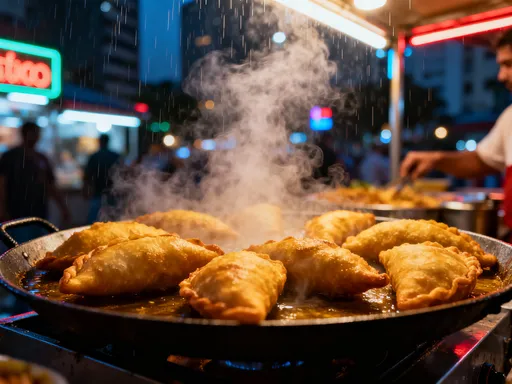
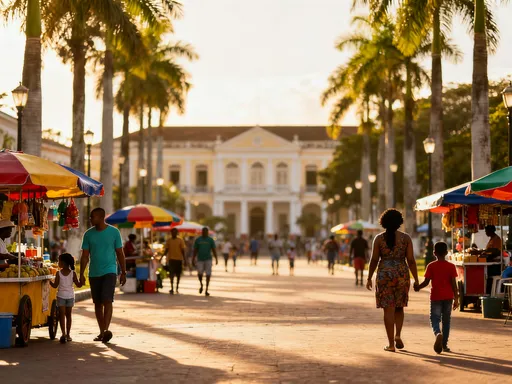
At the heart of Nakuru’s commercial energy lies Kenyatta Avenue, a vibrant artery lined with shops, stalls, and services that serve both locals and visitors. More than just a thoroughfare, it functions as a living marketplace where culture and commerce intertwine seamlessly. As you walk along this bustling strip, your senses are immediately engaged—the bright hues of fabric canopies, the rhythmic cadence of Swahili banter between customers and shopkeepers, the sizzle of grilled maize from roadside vendors. Each step reveals another layer of urban life: a mobile phone repair kiosk buzzing with activity, a tailor stitching a custom suit in full view, a woman balancing a basket of avocados on her head while expertly navigating the foot traffic. These are not staged attractions; they are snapshots of real, ongoing livelihoods.
For photographers and content creators, Kenyatta Avenue offers a treasure trove of unposed moments. The visual language here is bold and unfiltered—neon signs in bold reds and blues, hand-painted price tags, mismatched furniture spilling onto the pavement. There’s a certain harmony in the chaos, a kind of organized vibrancy that feels distinctly East African. Unlike sterile shopping malls, this street operates on warmth and interaction. Transactions are often accompanied by conversation, laughter, or even advice on the day’s weather. This human element transforms ordinary exchanges into compelling narratives, perfect for storytelling through images. A simple photo of hands exchanging coins for a loaf of bread becomes a portrait of dignity and connection.
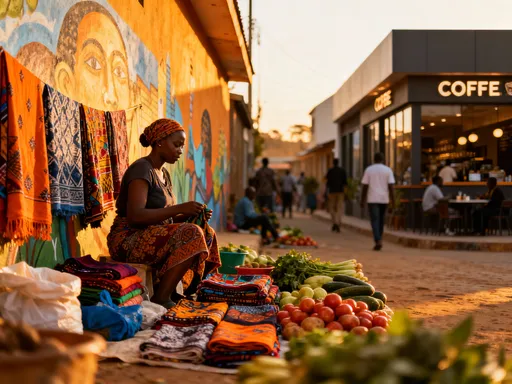
One of the most striking aspects of Nakuru’s main commercial strip is its inclusivity. Men and women of all ages participate in the economy, from elderly women selling boiled eggs to teenagers promoting phone credit bundles. Every vendor brings their own style to their display—some use wooden crates as counters, others drape colorful cloths over metal shelves. These personal touches add character and visual interest, making each storefront a micro-exhibition of resourcefulness and pride. For the observant traveler, these details are gold: the way sunlight hits a stack of ripe tomatoes, the pattern of shadows cast by a woven basket, the reflection of a passing matatu in a puddle after rain. These fleeting, poetic moments are what make Nakuru’s city life so uniquely photogenic.
Street Art & Urban Expression: Murals That Tell Stories
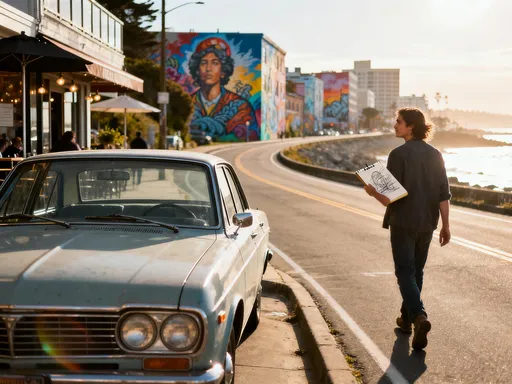
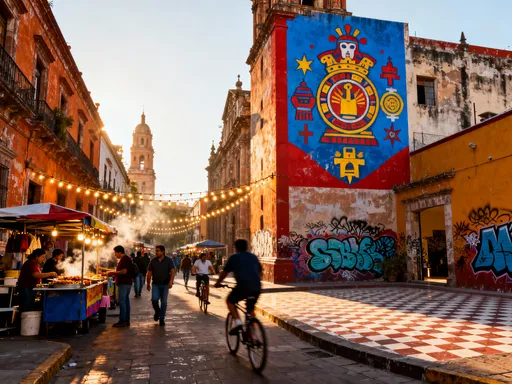
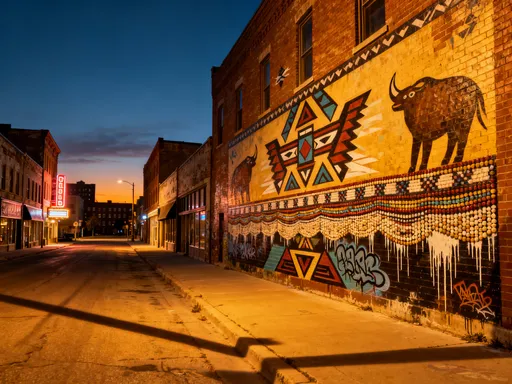
In recent years, Nakuru has emerged as an unexpected canvas for public art, with murals transforming blank walls into powerful storytellers. These vibrant paintings are not mere decoration—they are expressions of identity, pride, and social consciousness. Found along side streets, market entrances, and even government buildings, the murals depict themes ranging from wildlife conservation to cultural heritage, women’s empowerment, and environmental protection. Some feature the iconic flamingos of Lake Nakuru, rendered in sweeping brushstrokes of pink and orange; others portray traditional Maasai beadwork patterns or scenes of farmers tending crops in the Rift Valley highlands. Each piece contributes to a growing visual narrative about who Nakuru is and what it values.
Many of these artworks are the result of community-led initiatives, often supported by local artists, youth groups, and non-governmental organizations focused on urban renewal. These collaborations turn neglected spaces into points of pride. A once-dull wall beside a bus stop might now burst with color, depicting children holding books under a tree labeled “Education for All.” Another mural near the municipal market shows a diverse group of people planting trees, symbolizing collective action for climate resilience. These images do more than beautify—they educate, inspire, and spark conversation among passersby. For photographers, they offer ready-made backdrops that are both aesthetically striking and culturally meaningful.
What makes Nakuru’s street art especially compelling is its integration into everyday life. Unlike gallery art, it is not behind glass or roped off—it is part of the city’s breath and motion. You might see a vendor selling bananas in front of a mural of a galloping zebra, or children playing near a painted scene of Mount Kenya. This coexistence of art and activity creates dynamic photo opportunities where human life and visual storytelling intersect. The contrast between the permanence of the image and the transience of the moment adds emotional depth to every shot. A portrait taken against a mural of a soaring eagle becomes more than a selfie—it becomes a statement of aspiration.
Moreover, these murals reflect a broader shift in how Kenyan cities are being reimagined. Young creatives are using art to reclaim public spaces, challenge stereotypes, and celebrate local identity. In Nakuru, this movement is still growing, making it an exciting time to witness and document its evolution. For travelers, engaging with street art means engaging with the soul of the city—not through grand monuments, but through grassroots expression. By photographing these works respectfully and sharing their stories, visitors contribute to a more nuanced understanding of urban Kenya, one that goes beyond safaris and scenic landscapes.
Café Culture & Modern Hangouts: Third Spaces with Style
Parallel to Nakuru’s traditional commerce, a new generation of urban spaces is redefining how people gather, work, and unwind. Specialty coffee shops and lifestyle lounges have begun to dot the city’s commercial districts, offering a modern alternative to roadside tea stalls. These establishments, often designed with minimalist or Afro-chic aesthetics, feature clean lines, warm wood accents, indoor plants, and curated playlists that blend soulful Kenyan gospel with soft jazz and international indie tracks. While modest by global standards, they represent a shift in urban lifestyle—one that values comfort, connectivity, and creativity. For freelancers, students, and small business owners, these cafés have become essential “third spaces”—not home, not office, but somewhere in between.
Photographically, these venues are a dream. Natural light floods through large windows, illuminating latte art in ceramic cups, stacks of locally published books, and carefully arranged flat lays of notebooks, pens, and fresh fruit. The attention to detail extends to the menu boards—handwritten in elegant script—and the staff uniforms, often inspired by traditional textiles reimagined in contemporary cuts. These elements combine to create an atmosphere that feels both relaxed and intentional, ideal for lifestyle photography. A woman typing on her laptop with a reusable water bottle beside her, a couple sharing a plate of avocado toast, or a barista pouring steamed milk in slow motion—all are authentic moments that resonate with modern audiences, especially on platforms like Instagram.
What’s particularly noteworthy is how these cafés blend global trends with local authenticity. While the aesthetic may echo international coffee culture, the experience remains rooted in Kenyan values. Service is warm and personal; it’s common for the owner to greet regulars by name or offer a complimentary snack. Some cafés host poetry nights, art exhibitions, or small business networking events, further embedding themselves in the community. This fusion of style and substance makes them not just places to drink coffee, but hubs of cultural exchange. For visitors, spending an hour in one of these spaces offers insight into the evolving rhythm of urban Kenyan life—slower, more reflective, yet still deeply connected to place.
From a visual storytelling perspective, these modern hangouts provide a counterpoint to the busyness of the streets. They offer moments of stillness, introspection, and quiet joy—equally important in capturing the full spectrum of city life. Whether shooting wide-angle scenes of a sunlit café interior or close-ups of textured ceramics and handwritten quotes on the wall, the content created here speaks to a growing appetite for mindful living in African cities. And for the traveler, it’s a reminder that beauty exists not only in grand vistas but in the simple act of pausing for a cup of coffee in a thoughtfully designed space.
Markets with a Visual Edge: From Fresh Produce to Fabric Stalls
No exploration of Nakuru’s commercial landscape is complete without a visit to its open-air markets, where color, scent, and sound converge in a feast for the senses. The Nakuru Municipal Market, located near the city center, is a prime example of this vibrant tradition. Rows of stalls overflow with pyramids of mangoes, pineapples, and passion fruit, their bright yellows and reds glowing under the East African sun. Nearby, bundles of collard greens, onions, and ripe tomatoes create a painterly arrangement of earth tones and deep greens. The air carries a mix of aromas—ripe fruit, smoky grilled meat, damp soil from freshly washed vegetables—each adding to the market’s immersive atmosphere. For photographers, this is a playground of textures, contrasts, and natural composition.
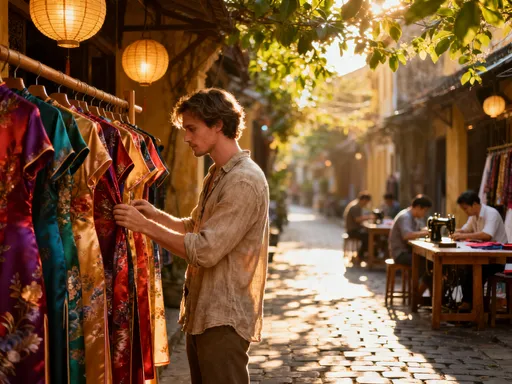
Equally striking are the fabric sections, where bolts of kikoyi, kitenge, and Ankara textiles are laid out like ribbons of color. Women sit behind their displays, expertly folding and unfolding the fabrics to showcase patterns—geometric designs, floral motifs, or symbolic prints representing peace, prosperity, or unity. The way light plays across the woven surfaces creates shimmering effects, perfect for macro photography. Vendors often drape fabric over their shoulders or wrap it around their heads, demonstrating styles with pride. These spontaneous fashion moments are not staged—they are part of the selling process, making them both authentic and visually dynamic.
Photographing in such a lively environment requires sensitivity and respect. The best approach is to observe first, engage second. A smile, a brief conversation, or even a small purchase can open the door to capturing genuine interactions. Many vendors are happy to be photographed if asked politely, especially if they feel their work is being honored rather than exploited. The key is to avoid intrusive behavior—no sudden close-ups without consent, no blocking pathways for the sake of a shot. When done thoughtfully, market photography becomes a form of cultural documentation, preserving the dignity and artistry of everyday commerce.
What makes Nakuru’s markets especially photogenic is their rhythm. Early mornings bring the freshest produce and the softest light, ideal for capturing dew on leafy greens or the first rays hitting a fruit display. Midday brings crowds and energy, perfect for wide-angle shots of bustling aisles. Late afternoon offers golden tones and quieter moments as vendors begin to pack up. Each phase tells a different story. Together, they form a visual diary of urban resilience, creativity, and community. These markets are not just places to buy goods—they are living galleries, constantly rearranging themselves in real time, offering new compositions with every passing hour.
Golden Hour in the City: Timing Your Urban Shots
To truly capture the essence of Nakuru’s urban beauty, timing is everything. While midday light can be harsh and unflattering, the hour before sunset—commonly known as golden hour—transforms the city into a soft-lit masterpiece. During this time, the sun dips low, casting a warm, diffused glow across building facades, street scenes, and market stalls. Shadows stretch longer, adding depth and dimension to photographs. Textures become more pronounced—the weathered paint on a shopfront, the weave of a kikoyi fabric, the corrugated metal of a kiosk—all gain a new richness under this gentle light. For photographers, this is the optimal window to create images that feel both vivid and intimate.
A strategic walking route can maximize this golden opportunity. Begin at the Nakuru Municipal Market around 4:30 PM, when vendors are still active but the crowds have thinned slightly. Capture the interplay of light and shadow among the stalls, focusing on color contrasts and human activity. From there, walk east along Kenyatta Avenue, where the setting sun illuminates the southern side of the street. This is prime time for street portraits, architectural details, and candid moments—children walking home from school, a tailor finishing his last stitch, a group of friends sharing a joke near a phone shop. Continue toward the central roundabout, where murals are often backlit, creating dramatic silhouettes and vibrant color pops.
Safety and etiquette remain important during evening photography. Stick to well-lit, populated areas, and avoid drawing unnecessary attention to expensive equipment. Carry your camera in a discreet bag when not in use, and be mindful of your surroundings. If photographing people, a simple nod or verbal request goes a long way. Most locals appreciate genuine interest in their lives and are often willing to engage when approached respectfully. Additionally, consider turning off flash—natural light during golden hour is sufficient and far more flattering.
For those using smartphones, this time of day offers exceptional results with minimal editing. Enable HDR mode to balance light and shadow, and use grid lines to compose balanced shots. For DSLR or mirrorless users, a wide aperture (f/2.8–f/5.6) can create beautiful background blur, emphasizing subjects against busy urban backdrops. Regardless of device, the goal is to capture not just what Nakuru looks like, but how it feels—alive, warm, and full of quiet pride. By aligning your photography with the city’s natural light cycle, you honor its rhythm and elevate your storytelling.
Why Nakuru’s Urban Side Matters: Beyond the Safari Lens
For decades, Kenya’s global image has been shaped by its wildlife and natural landscapes—endless savannas, towering mountains, and shimmering lakes. While these wonders are undeniably breathtaking, they represent only part of the story. Cities like Nakuru hold another truth: one of economic resilience, cultural continuity, and everyday beauty. By turning our lenses toward urban life, we expand the narrative of Kenya beyond the safari lens. We begin to see the country not just as a destination for nature lovers, but as a living, evolving society where innovation and tradition coexist.
Documenting Nakuru’s commercial heart is not merely about aesthetics—it is an act of recognition. It acknowledges the dignity of labor, the creativity of small business owners, and the vibrancy of community spaces. When we share photos of a mural, a market stall, or a quiet moment in a café, we contribute to a more inclusive visual archive of African urban life. We challenge outdated perceptions that equate development with Westernization, showing instead that beauty and progress can take many forms. For women, especially, this kind of storytelling is empowering—it highlights spaces where they lead, create, and sustain economies, often with little fanfare.
Travelers have a unique role in this shift. By choosing to explore and photograph Nakuru’s city life, they become co-authors of a more balanced story. They move beyond the checklist of tourist attractions and engage with the pulse of daily existence. They discover that a city need not be perfect to be beautiful—that charm often lies in the cracks, the improvisations, the handmade signs and hand-painted numbers on shop doors. These imperfections are not flaws; they are signatures of a place that is alive, growing, and true to itself.
Ultimately, Nakuru invites us to slow down, look closely, and appreciate the ordinary as extraordinary. It reminds us that adventure isn’t always found in remote wilderness—it can be right on a busy street corner, in the smile of a vendor, or in the way sunlight hits a wall at dusk. So the next time you plan a trip to Kenya’s Rift Valley, don’t treat Nakuru as just a stopover. Walk its streets with curiosity. Let your camera follow your heart. And discover, as so many are beginning to, that this city’s true magic lies not in what it advertises, but in what it lives every day.