You Won’t Believe What I Found in Hoi An’s Hidden Markets
Hoi An isn’t just lanterns and ancient streets—it’s a shopper’s paradise hiding in plain sight. I wandered its alleyways and stumbled upon vibrant markets, tailor shops with insane craftsmanship, and little boutiques bursting with local soul. This isn’t your average tourist trap; it’s a slow, sensory-rich experience where every purchase tells a story. If you’re looking to shop like you’re part of the culture, not just passing through, Hoi An delivers in the most unexpected ways.
The Magic of Hoi An’s Old Town as a Living Marketplace
Nestled along Vietnam’s central coast, Hoi An’s Old Town is more than a UNESCO World Heritage Site—it’s a living, breathing marketplace where history and commerce flow together like the Thu Bon River that borders it. Unlike conventional shopping districts dominated by glass-fronted malls and chain stores, Hoi An’s commerce unfolds in centuries-old wooden houses with tiled roofs, narrow doorways, and hand-painted signs. These buildings, some dating back over 300 years, were once merchant homes and trading posts during the town’s golden age as a Southeast Asian port city. Today, they house family-run boutiques, artisan workshops, and craft stalls that preserve the rhythm of daily life while welcoming curious travelers.
What makes shopping in Hoi An’s Old Town truly special is the atmosphere—an intentional slowness fostered by pedestrian-only streets and the warm glow of silk lanterns that hang from nearly every eave. Motor vehicles are largely banned within the historic core, allowing visitors to stroll without urgency, pausing to admire hand-stitched embroidery in a tucked-away window or to sip coconut coffee while watching artisans weave bamboo frames for lanterns. The absence of noise and congestion creates space for connection—not just with vendors, but with the very spirit of the place. Every shop feels personal, often staffed by the same family for generations, and many still use traditional tools and techniques passed down through decades.
This unique blend of tourism and tradition transforms shopping from a transaction into an immersive cultural experience. Rather than rushing from one store to the next, travelers find themselves lingering—asking questions, learning stories, and sometimes sharing a laugh over a language barrier. The town’s layout encourages discovery: a narrow alley might lead to a hidden courtyard where a woman paints silk scarves by hand, or a quiet lane could open into a small gallery of ceramic art shaped from local clay. Because so much of the commerce is localized and small-scale, there’s a sense of authenticity that’s increasingly rare in popular destinations. For the mindful traveler, especially those seeking meaningful engagement over mass consumption, Hoi An’s Old Town offers a rare opportunity to shop with intention and heart.
Tailor-Made Treasures: Why Custom Clothing Is a Must-Try Experience
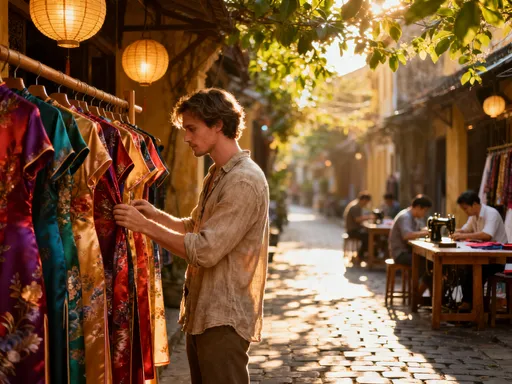
No visit to Hoi An is complete without experiencing its legendary tailoring industry—one of the most renowned in Southeast Asia. With over 300 tailor shops scattered throughout the town, Hoi An has earned a global reputation for high-quality, custom-made clothing at accessible prices. What sets it apart isn’t just affordability; it’s the level of craftsmanship, personalization, and attention to detail that transforms a simple fitting into a memorable part of the travel journey. Whether you’re looking for a perfectly tailored linen suit, a flowing silk dress, or a set of traditional Vietnamese áo dài, the process is collaborative, creative, and surprisingly efficient.
The typical experience begins with a consultation. You walk into a shop—many of which display racks of sample garments and swatches of fabric—and are greeted by a tailor or design assistant who speaks enough English to guide you through the process. From there, you browse through hundreds of fabric options: imported Italian wool, lightweight Japanese cotton, lustrous Thai silk, and locally woven brocade. Once you’ve chosen your material, you work together to select a style, whether it’s inspired by Western fashion, traditional Vietnamese design, or a fusion of both. Measurements are taken with care, often within minutes, and most shops offer digital photos or sketches to confirm the design before production begins.
Turnaround time is impressively fast—most garments are ready in 24 to 48 hours, with rush services available for same-day completion at a slight premium. Prices vary depending on fabric and complexity, but a well-made suit typically ranges from $100 to $200, while dresses and shirts can be as low as $30 to $60. This represents exceptional value compared to custom tailoring in Western countries, where similar quality might cost several times more. More importantly, the result is a garment that fits your body perfectly and reflects your personal taste—a wearable souvenir that carries the essence of your time in Vietnam.
To make the most of this experience, it’s wise to choose reputable shops with strong reviews and transparent pricing. Look for businesses that provide written estimates, avoid high-pressure sales tactics, and offer free alterations. Many established tailors, such as Yaly, Be Be, or A Dong Silk, have built international clientele through consistency and quality. Equally important is clear communication: bring inspiration photos, note specific preferences (like sleeve length or button style), and don’t hesitate to ask questions. When done right, getting custom clothing in Hoi An isn’t just a shopping trip—it’s a celebration of individuality, craftsmanship, and cultural exchange.
Beyond Silk: Discovering Local Crafts and Artisan Studios
While tailoring often steals the spotlight, Hoi An’s true soul lies in its handmade crafts—lanterns, ceramics, embroidery, and woven goods that reflect centuries of artistic tradition. These items aren’t mass-produced souvenirs; they’re the result of skilled hands working with time-honored techniques. A short walk off the main streets reveals small studios where artisans shape, paint, and assemble beautiful objects with patience and pride. Visiting these workshops offers a deeper understanding of Vietnamese culture and provides access to authentic, meaningful keepsakes.
Perhaps the most iconic craft is the Hoi An lantern. Made from bamboo frames stretched with colored silk or rice paper, these delicate lights are assembled piece by piece in family-run workshops. Some artisans specialize in traditional round or lotus-shaped lanterns, while others experiment with modern designs like animals, stars, or geometric patterns. The process is meticulous: bamboo strips are soaked and bent into shape, then glued and wired together. Once the frame is complete, layers of silk are carefully attached and painted with intricate motifs—dragons, flowers, or calligraphy. When lit, these lanterns cast a warm, colorful glow that has become synonymous with Hoi An’s evening charm. Visitors can often watch the process firsthand, and many studios offer hands-on workshops where you can create your own mini lantern to take home.
Ceramics are another treasure found in Hoi An’s craft scene. Though the nearby village of Thanh Ha was historically the center of pottery production, many potters now operate studios within the town, blending ancient methods with contemporary design. Using locally sourced clay, artisans shape vases, bowls, and decorative pieces on foot-powered wheels, then fire them in wood-burning kilns. The glazing process—often using natural pigments—results in earthy tones and subtle textures that reflect the region’s natural beauty. Embroidery and textile art are equally impressive, with skilled needleworkers creating detailed wall hangings, table runners, and clothing embellishments. Motifs often draw from nature—lotus blossoms, kites, and tropical birds—stitched in vibrant threads that catch the light.
Supporting these artisans does more than bring home a beautiful object; it contributes to the preservation of cultural heritage. Many craftspeople rely on tourism to sustain their livelihoods, and when travelers choose authentic, locally made goods, they help keep these traditions alive. By purchasing directly from studios or fair-trade cooperatives, visitors ensure that their money supports the makers themselves rather than middlemen or importers. These crafts aren’t just decorations—they’re storytellers, each carrying the legacy of generations and the quiet dignity of handmade work.
The Morning Market Pulse: A Local’s Take on Everyday Shopping
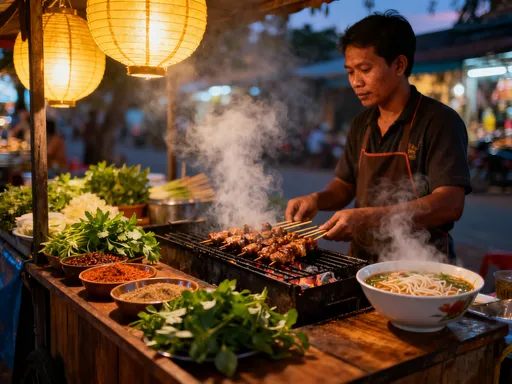
To witness the heartbeat of Hoi An’s daily life, one must rise early and visit its local markets—bustling hubs where residents buy fresh ingredients, household goods, and morning snacks. The most famous of these is Tra Que Vegetable Market, though smaller neighborhood markets like An Hoi and Cam Nam also offer rich, authentic experiences. These are not staged for tourists; they operate at full speed before the heat of the day sets in, filling the air with the scent of lemongrass, ripe mango, and sizzling street food. For visitors willing to explore respectfully, these markets offer a rare glimpse into Vietnamese domestic life and access to unique, everyday treasures.
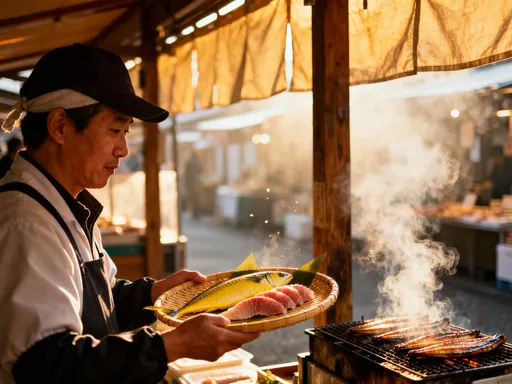
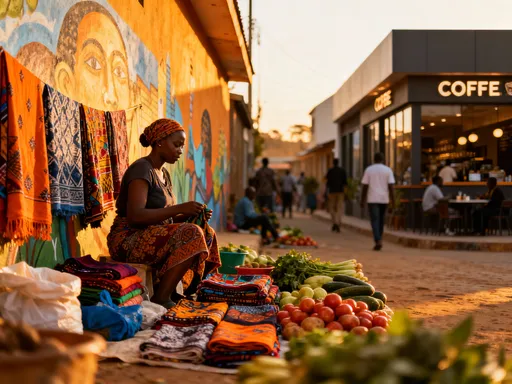
At first glance, the scene is vibrant and slightly chaotic: vendors arrange pyramids of starfruit, dragon fruit, and jackfruit on woven mats, while baskets overflow with fragrant herbs like mint, cilantro, and Thai basil. Fishermen unload the morning’s catch—shiny mackerel, fat squid, and live shrimp—onto ice-packed trays, and butchers display marinated meats ready for grilling. Amid the produce, you’ll find stalls selling handmade rice paper, clay pots, bamboo steamers, and woven palm-leaf baskets—items that reflect practical, sustainable living. The energy is contagious, with rapid-fire bargaining, friendly banter, and the rhythmic clang of cleavers on cutting boards.
Visitors should approach with curiosity and respect. Smiling and saying “xin chào” (hello) goes a long way, as does using simple phrases like “bao nhiêu?” (how much?) or “cảm ơn” (thank you). While photography is common, it’s polite to ask permission before taking pictures of people or their stalls. Many vendors welcome interaction, especially when guests show genuine interest in their products. You might learn how to pick the ripest rambutan, discover a new type of chili, or be handed a sample of fresh sugarcane juice. Some even offer impromptu cooking tips—like which herb pairs best with grilled pork or how to wrap a proper rice paper roll.
Beyond food, these markets are goldmines for kitchenware and small crafts. Look for hand-thrown ceramic bowls, wooden chopsticks, or cloth shopping bags dyed with natural indigo. These items may not be marketed as souvenirs, but they carry the authenticity of daily Vietnamese life. By shopping here—even if it’s just for a snack or a bunch of herbs—travelers participate in a real, living culture rather than a curated performance. It’s a reminder that Hoi An is not just a destination for tourists, but a home for thousands of people whose lives continue long after the lanterns are turned off.
Hidden Boutiques and Concept Stores Off the Beaten Path
While Hoi An’s traditional crafts and tailors remain popular, a new wave of creativity is reshaping its shopping landscape. In quiet lanes and converted colonial houses, a growing number of indie boutiques and concept stores are redefining what it means to shop in the town. These spaces blend Vietnamese heritage with modern aesthetics, sustainability, and global design influences, offering curated collections that feel more like art galleries than retail outlets. For travelers seeking something beyond the familiar—whether it’s eco-friendly fashion, minimalist home decor, or fusion accessories—these hidden gems provide a refreshing alternative.
One emerging trend is the rise of sustainable and ethical brands. Stores like Rehash Shop and Mai House focus on upcycled materials, natural dyes, and slow fashion principles. Rehash, for instance, transforms vintage fabrics and discarded textiles into stylish tote bags, dresses, and children’s clothing, each piece uniquely patterned and environmentally conscious. Mai House combines traditional weaving techniques with contemporary silhouettes, creating linen tunics, scarves, and table linens that feel both timeless and modern. These boutiques often share the stories behind their products—where the materials were sourced, who made them, and how they support local artisans—adding depth to every purchase.
Other concept stores emphasize design fusion. Places like Indigo Hoi An and Lune Concept blend Vietnamese motifs with Scandinavian minimalism or Japanese wabi-sabi aesthetics. You’ll find hand-thrown ceramics with asymmetrical glazes, linen clothing in earthy tones, and bamboo lamps inspired by traditional lanterns but reimagined for modern interiors. Some shops even double as cafes or art spaces, inviting visitors to linger over a matcha latte while browsing hand-bound notebooks or locally made candles. The experience is deliberate and calming, a contrast to the busier streets of the Old Town.
What unites these boutiques is a commitment to quality, authenticity, and intentionality. They cater to travelers who value craftsmanship over convenience and meaning over mass production. By supporting these businesses, visitors contribute to a more diverse and sustainable economy—one that honors tradition while embracing innovation. For the discerning shopper, especially those who appreciate design and ethics in equal measure, these hidden stores offer some of Hoi An’s most rewarding discoveries.
How to Shop Mindfully in a Tourist-Favorite Destination
As Hoi An’s popularity continues to grow, so does the importance of shopping with awareness and respect. With thousands of visitors arriving each week, the demand for souvenirs has led to an influx of imported trinkets, counterfeit goods, and exploitative practices. While it’s easy to fall into the trap of quick purchases and bargain hunting, mindful shopping means making choices that honor the culture, support local people, and preserve the town’s unique character. It’s about seeing each transaction not as a simple exchange of money for goods, but as a form of cultural dialogue.
One of the most important aspects of responsible shopping is distinguishing between authentic, locally made items and mass-produced imports. Many stalls in tourist-heavy areas sell lanterns, jewelry, and clothing that are actually manufactured in China or other countries and shipped in for resale. These items may be cheaper, but they offer little connection to Vietnamese culture and do not benefit local artisans. To identify genuine crafts, look for signs of handwork—slight imperfections, unique stitching, or natural materials. Ask vendors where the item was made and who made it. Reputable shops are usually proud to share this information.
Bargaining is common in Hoi An, but it should be done with fairness in mind. While it’s acceptable to negotiate prices, especially in markets and smaller shops, it’s important to remember that many vendors are small business owners or artisans earning modest incomes. Offering an extremely low price can be disrespectful and unsustainable. A better approach is to ask for the price, consider whether it seems reasonable based on the quality and effort involved, and negotiate politely if needed. If the price feels fair, paying it without haggling is a powerful way to show appreciation.
Supporting fair wages and ethical practices also means choosing businesses that treat their workers well. Tailor shops that employ local seamstresses, cooperatives that train young artisans, and brands that reinvest in their communities are worth prioritizing. When in doubt, read reviews, ask questions, or seek recommendations from trusted travel guides. By making conscious choices, travelers help ensure that Hoi An’s shopping culture remains vibrant, authentic, and equitable for generations to come.
From Stalls to Suitcases: Packing Tips and Travel Hacks for Shoppers
After days of exploring Hoi An’s markets, boutiques, and workshops, the reality of getting your treasures home begins to sink in. Whether you’ve collected delicate lanterns, bundles of fabric, or a custom-made wardrobe, smart packing is essential to protect your purchases and avoid travel stress. With a few practical strategies, you can transport even the most fragile items safely and efficiently—without paying excess baggage fees or risking damage.
One of the most effective tips is to plan ahead. When packing for Hoi An, leave at least one-third of your suitcase empty—especially if you know you’ll be buying custom clothing or handmade goods. Rolling clothes instead of folding saves space and reduces wrinkles. Packing cubes are invaluable for organizing fabric bundles, separating delicate items, and maximizing luggage capacity. For garments from tailors, most shops will press and wrap them in plastic for transport; ask them to include tissue paper to prevent creasing.
Fragile items like lanterns and ceramics require extra care. Many shops offer custom boxes or padded wrapping for a small fee. If you’re carrying a lantern, consider disassembling it—most are designed to fold flat—and reassembling it at home. For ceramics, wrap each piece in soft clothing or bubble wrap (available at stationery stores in town) and place them in the center of your suitcase, surrounded by padding. Another option is to ship larger or delicate items home. Reputable tailors and craft stores often partner with international couriers and can handle the process for you, including customs documentation.
If you’re worried about luggage weight, consider wearing your heavier purchases on the flight home. A linen jacket or silk scarf takes up no space in your bag and doubles as travel comfort. Some travelers also use compression bags to reduce volume, though these should be used carefully with delicate fabrics. Above all, remember that the best souvenirs aren’t just things—they’re the memories, connections, and stories behind them. When packed with care, these items become more than decorations; they become lasting reminders of a journey well taken.
Hoi An’s charm lies not just in what you buy, but in how you connect with the people and traditions behind each item. Shopping here becomes a journey of discovery—one that slows you down, opens conversations, and deepens your experience. When done with intention, every purchase becomes a piece of Vietnam you can carry forward.